
CNC Turning Services:
Lathes + Live Tooling
CNC turning, Swiss-type, and live-tooling routes are reviewed against geometry, material, quantity, tolerance, finish, and inspection scope before quoting. Common materials include stainless steel, aluminum, brass, titanium, and engineering plastics.
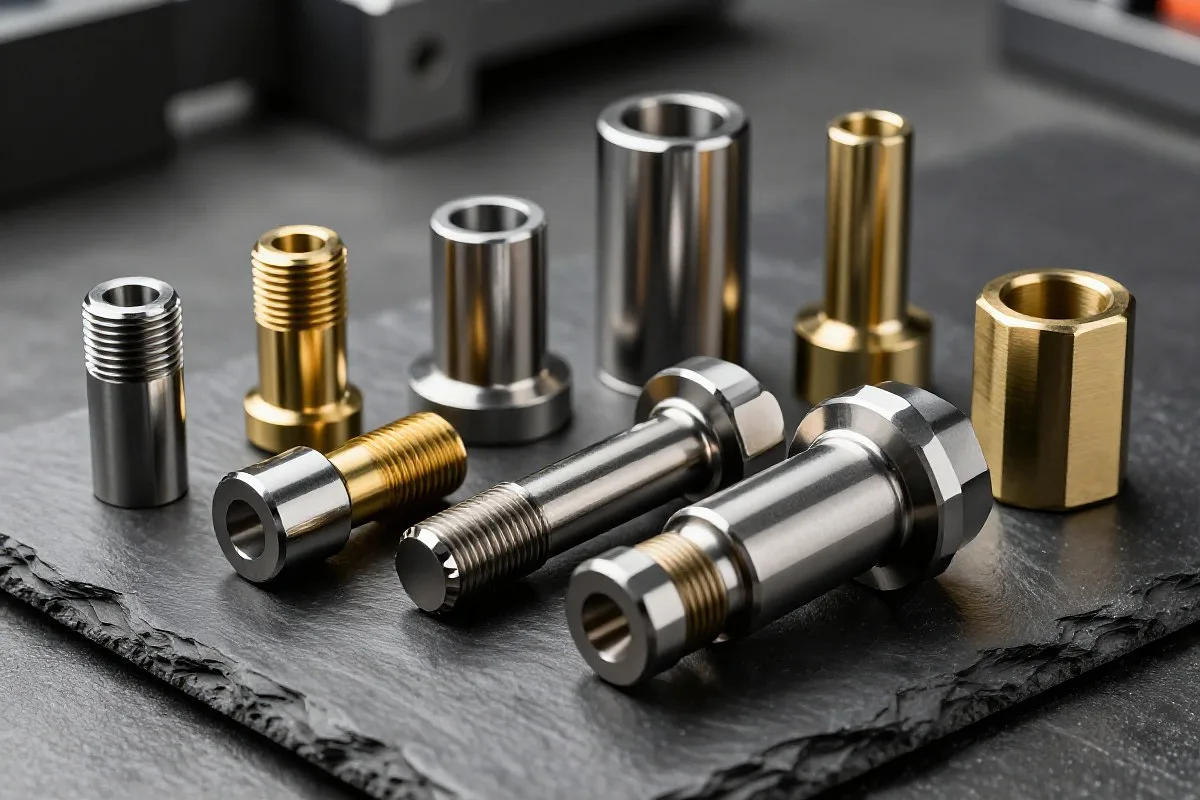
- Shafts, pins, bushings, fittings, threaded components
- Concentricity and surface finish confirmed by drawing, material, and inspection scope
- CMM checks, material certificates, and passivation can be quoted when required
NDA available. Engineer review within 48 hours.
CNC Turning Capabilities
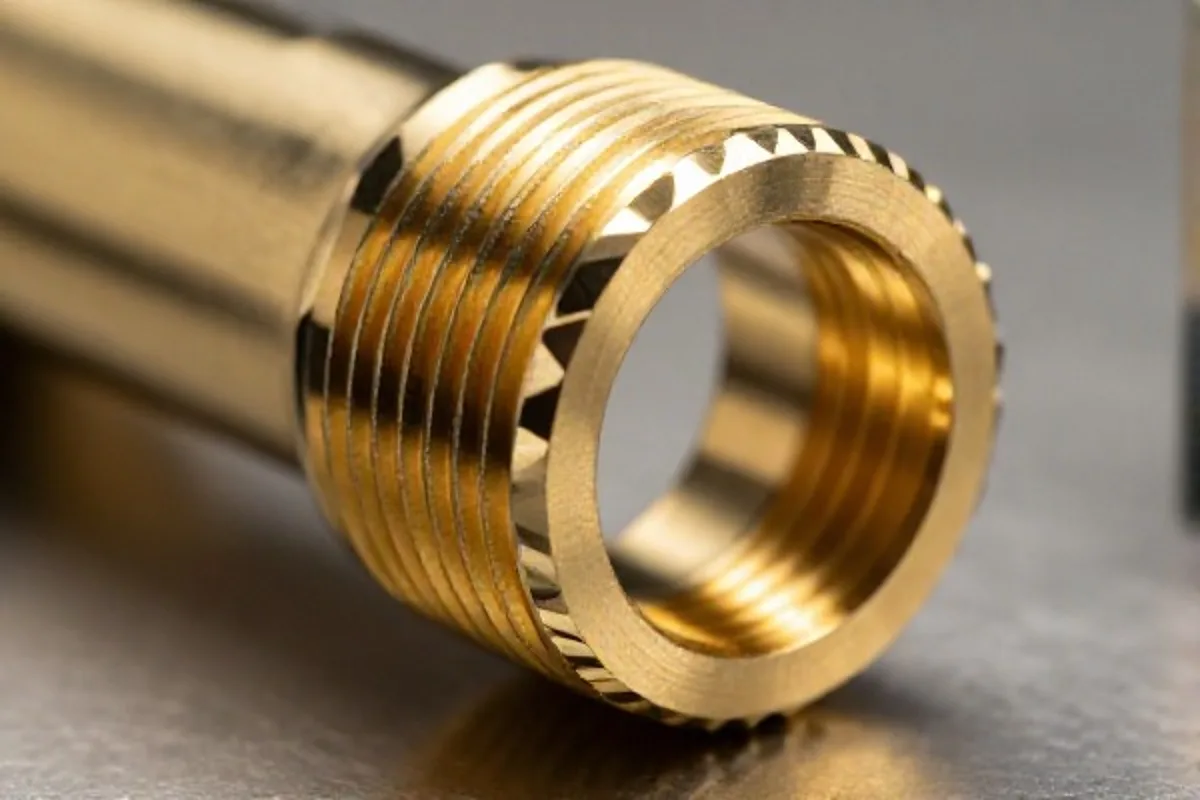
Standard turning, Swiss-type machining, and lathes with live tooling. We handle OD/ID turning, facing, grooving, threading (metric, UNC, UNF), and knurling. Typical diameter range: 3mm - 300mm.
Live tooling adds cross-drilling, milling flats, and off-axis features without secondary operations. Single-setup means better concentricity and faster delivery.
Ask for CNC turning process photos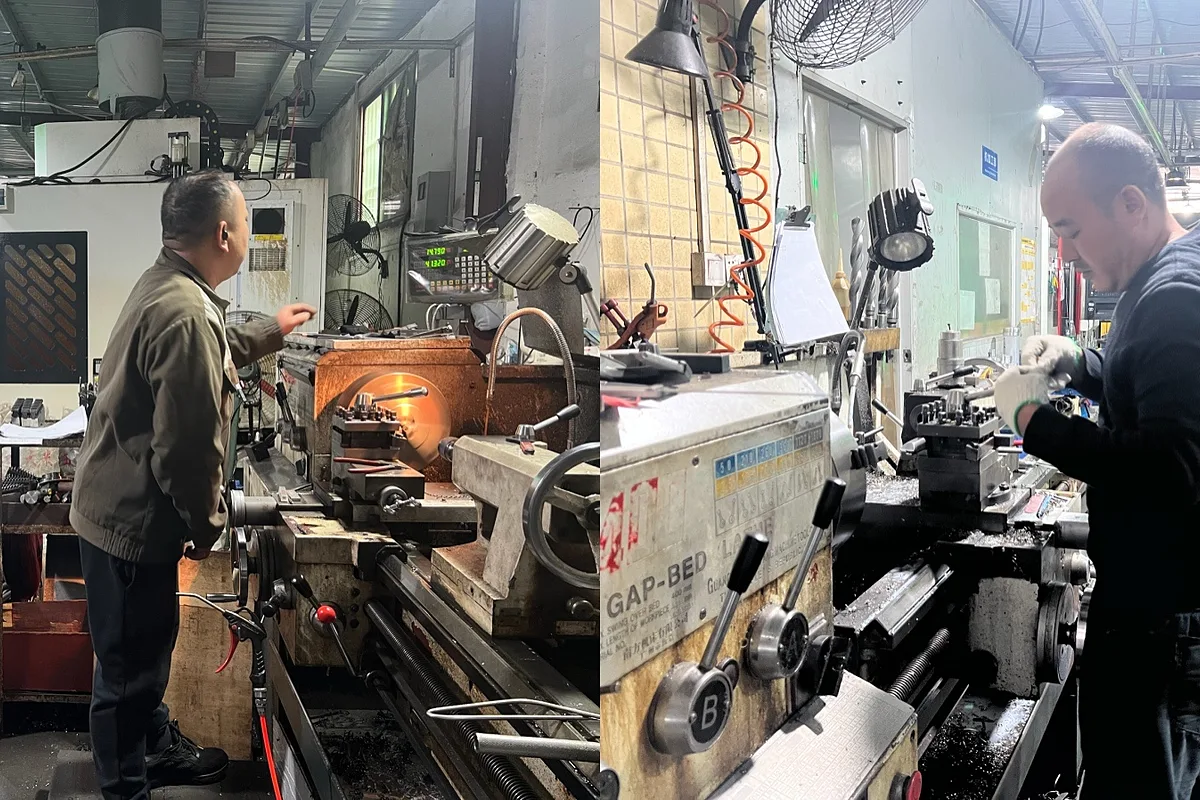
Advanced CNC Turning Capabilities
From simple pins to complex shafts with off-axis features, our advanced lathe capabilities ensure precision.
Precision Turning
Ideal for round parts like shafts, washers, and spacers. High speed and accuracy for OD and ID operations.
Get Quote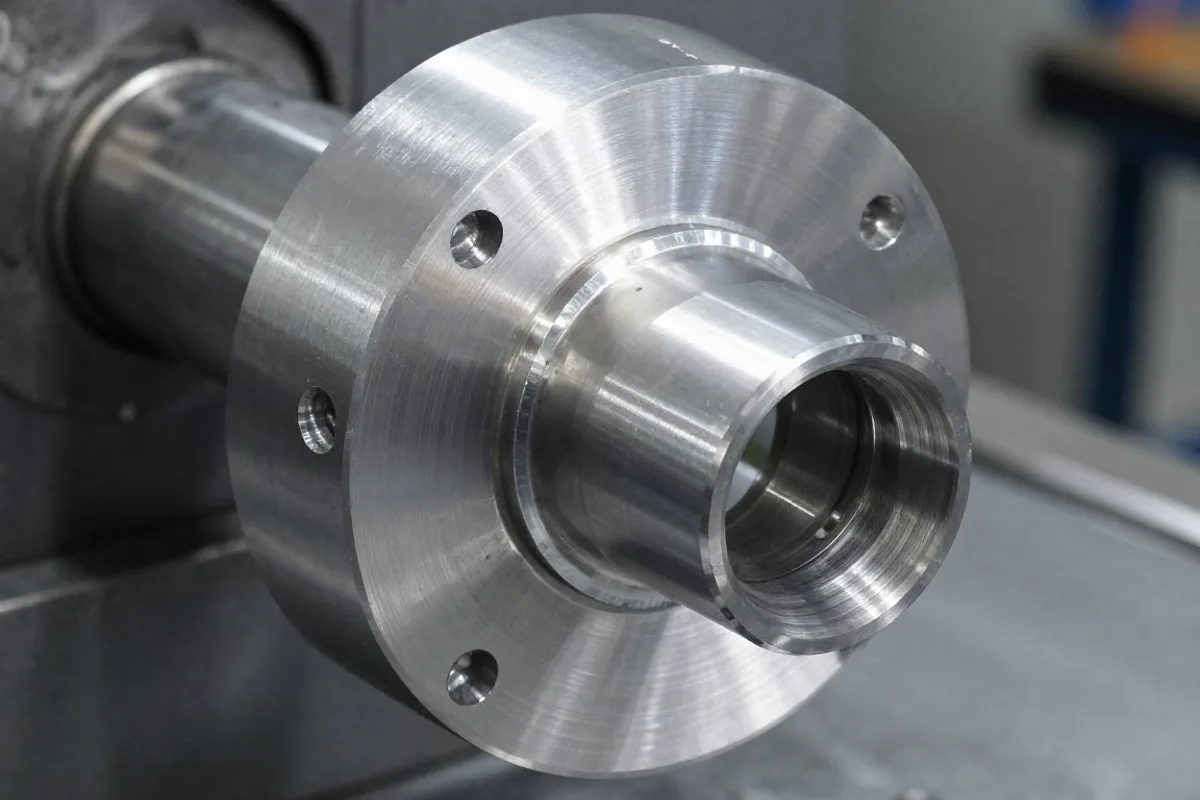
Lathes with Live Tooling
Allows for milling, drilling, and tapping on the workpiece without changing setups, perfect for complex features.
Get Quote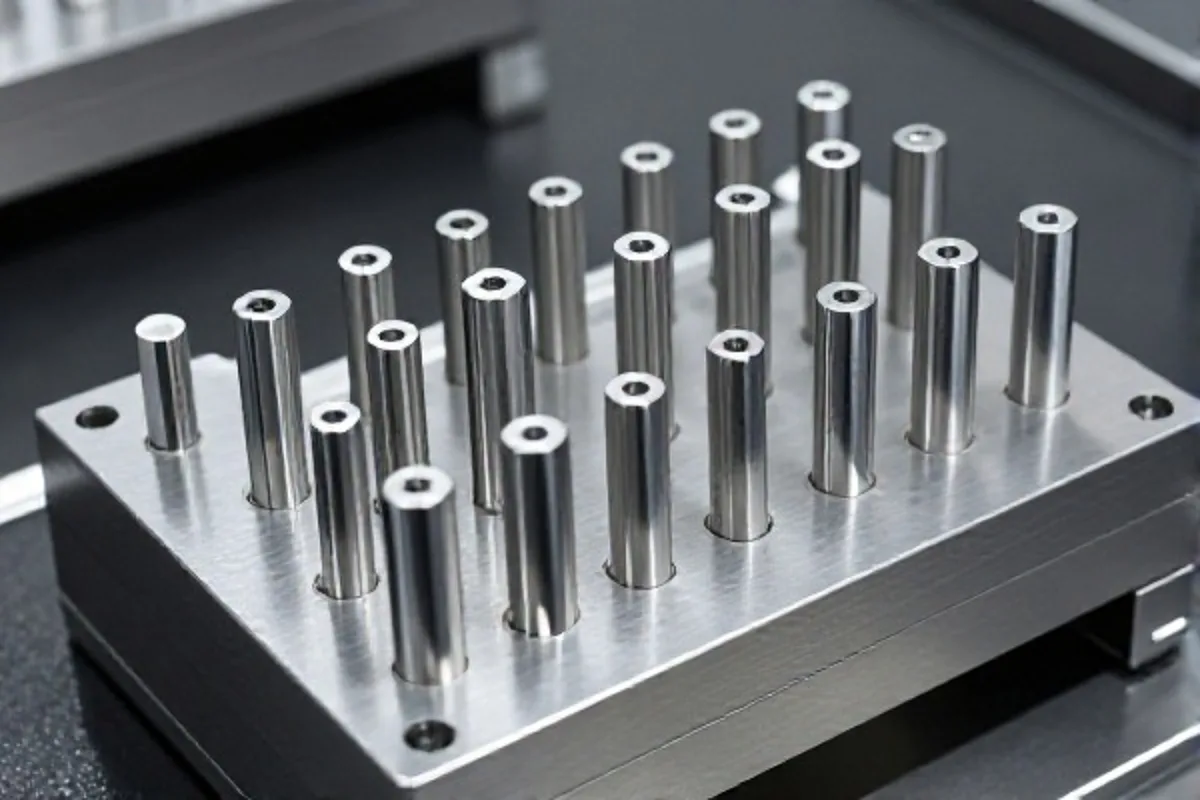
Swiss Machining
Best for small, long, and slender turned parts where setup strategy, tolerance, material, and repeatability need engineer review.
Get Quote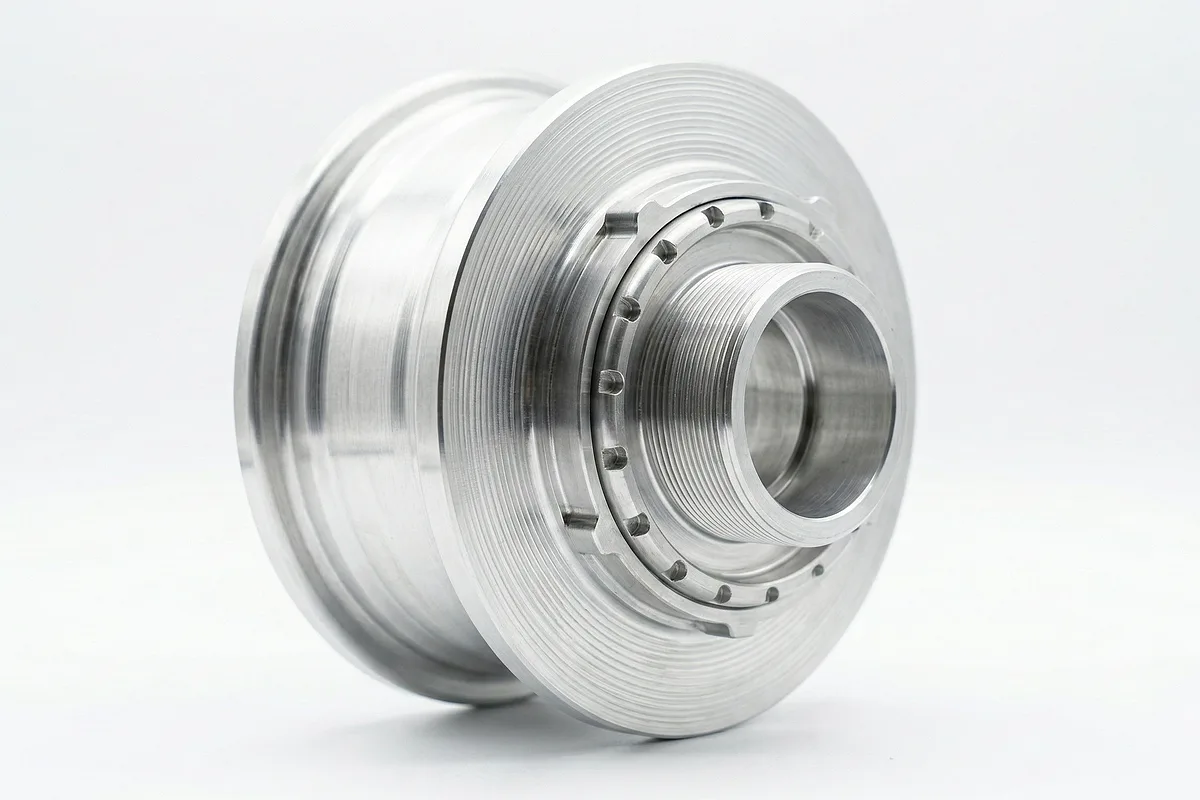
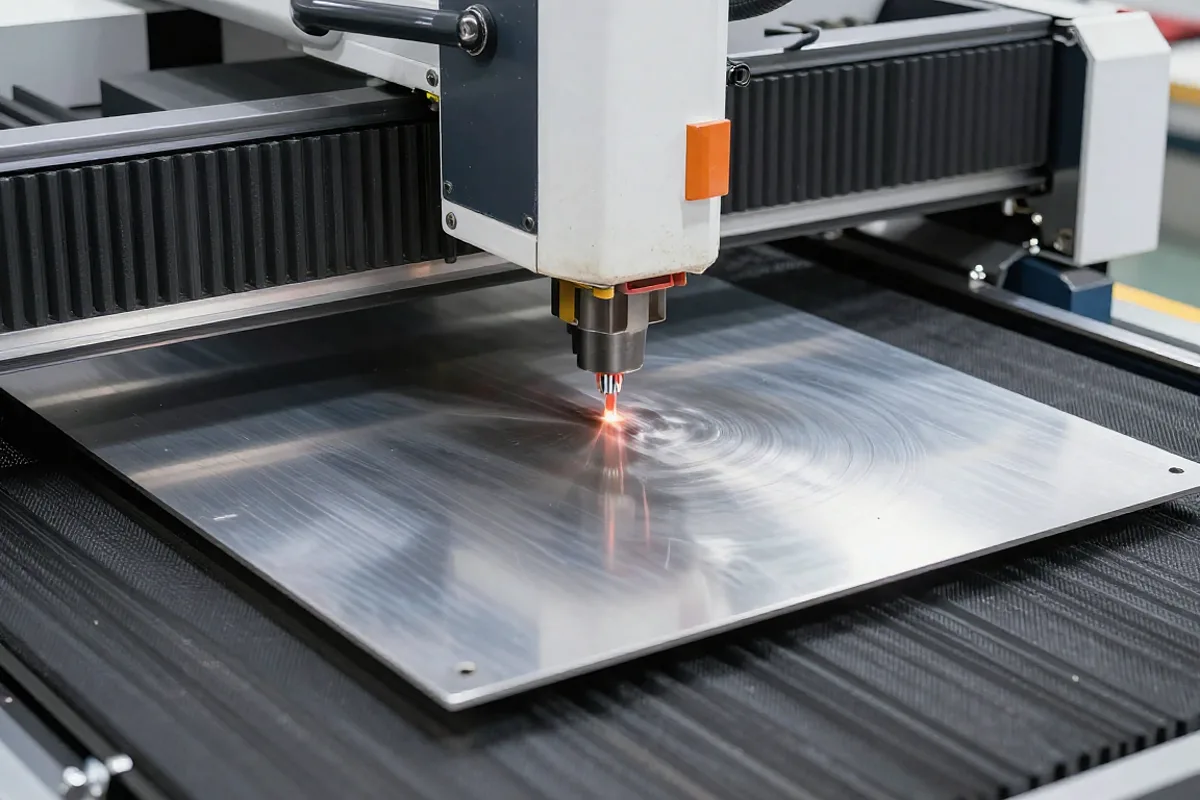
One Setup, Complete Part
Live tooling eliminates secondary operations by combining milling and turning.
Rapid Turnaround
Lead time is confirmed after geometry, material, finish, queue capacity, and inspection scope review.
High Precision
Critical shaft diameters and bearing fits are reviewed against drawing tolerances and the agreed inspection method.
Complex Geometry
Off-axis drilling and milling capabilities for complete part production.
Cost Effective
Competitive pricing for both single prototypes and low-volume production runs.
CNC Turning Materials
Metal Alloys
- Stainless Steel (303, 304, 316)
- Aluminum Alloy (6061, 7075)
- Brass (C360)
- Copper
- Titanium
- Carbon Steel
Plastics
- POM (Acetal/Delrin)
- PTFE (Teflon)
- Nylon
- PEEK
- ABS
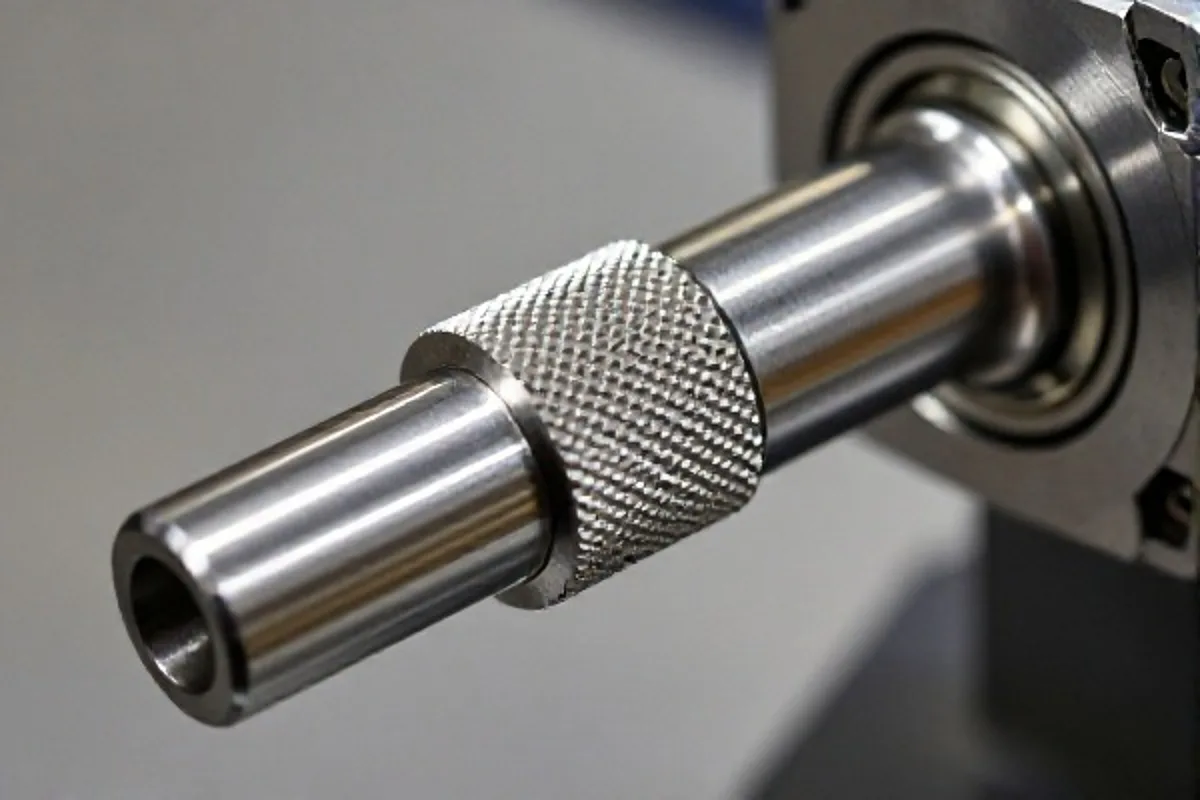
Stainless Steel (303, 304, 316)
Excellent corrosion resistance and high strength. Used for shafts, gears, and fasteners when buyer drawings define material, inspection, and application requirements.
Contact us for a full list of turned materials including exotic alloys.
CNC Turning
Surface Finishes
We provide a range of finishes for turned parts to improve wear resistance, surface hardness, and aesthetics.
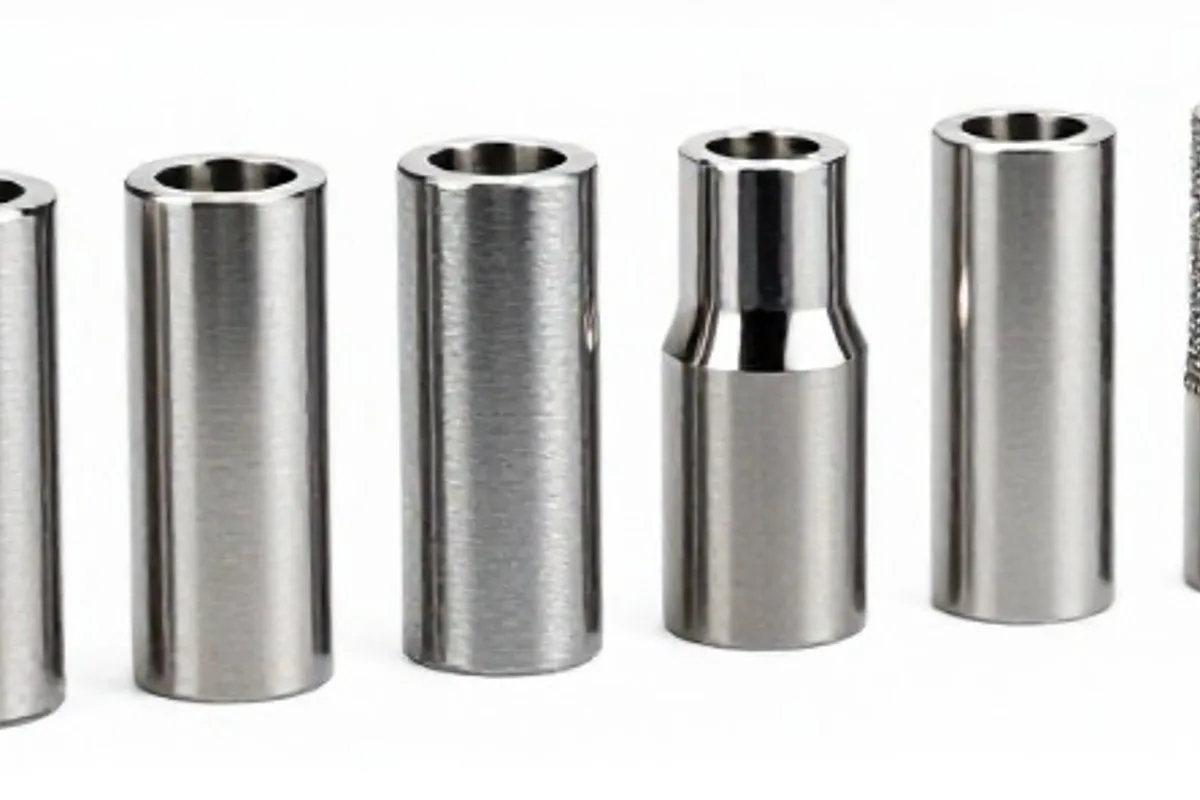
As Turned
Standard finish with visible tool marks but precise dimensions.
As Turned (Ra 0.8-3.2)
The as-turned finish is the standard surface finish directly from the CNC lathe. Visible tool marks in a spiral pattern with excellent dimensional accuracy.
- Surface Roughness: Ra 0.8 - 3.2 μm
- Precise dimensions with visible helical tool marks
- No additional processing required
- Most cost-effective option for turned parts
Best for: Functional prototypes, internal components, parts where appearance is not critical.
Bead Blasting
Bead blasting creates a uniform matte texture on turned parts by propelling fine glass beads at the surface. Removes tool marks while providing improved grip.
- Surface Roughness: Ra 1.0 - 2.5 μm
- Uniform satin/matte appearance
- Hides minor surface imperfections
- Improves paint and coating adhesion
Best for: Handheld components, medical devices, aerospace parts.
Anodizing (Type II & III)
Anodizing creates a durable, corrosion-resistant oxide layer on aluminum turned parts. Available in Type II (decorative) and Type III (hardcoat).
- Type II: 8-25 μm coating, wide color range
- Type III (Hardcoat): 25-75 μm, extreme hardness
- Excellent corrosion and wear resistance
- Colors: Clear, Black, Red, Blue, Gold, and more
Best for: Aluminum shafts, pins, and cylindrical components.
Passivation
Passivation is a chemical treatment for stainless steel turned parts that removes free iron and enhances the natural chromium oxide layer for superior corrosion resistance.
- Compliant with ASTM A967, AMS 2700
- Enhanced corrosion resistance
- No dimensional change
- Clear, non-visible finish
Best for: Medical devices, food processing equipment, marine components.
Powder Coating
Powder coating applies a durable, decorative finish to turned parts using electrostatically charged powder that is heat-cured to form a hard coating.
- Coating Thickness: 50-100 μm
- Excellent impact and scratch resistance
- Wide range of colors and textures
- Environmentally friendly (no solvents)
Best for: Industrial shafts, outdoor equipment, architectural components.
Black Oxide
Black oxide is a conversion coating for steel and stainless steel that creates a thin, black magnetite layer. Provides mild corrosion resistance and aesthetic appeal.
- Coating Thickness: 1-2 μm (minimal dimensional change)
- Attractive matte black appearance
- Reduces light reflection (anti-glare)
- Often used with oil for enhanced protection
Best for: Fasteners, gears, shafts, tooling, firearms.
CNC Turning Tolerances
We achieve tight tolerances for high-precision shafts, pins and turned components.
| Feature | Standard Accuracy | High Precision |
|---|---|---|
| Diameter (OD/ID) | ±0.05 mm | Feature-specific after review |
| Length | ±0.1 mm | ±0.05 mm |
| Concentricity | ±0.05 mm | ±0.02 mm |
| Surface Roughness | Ra 1.6 - 3.2 | Ra 0.4 - 0.8 |
Design Guidelines for Turning
Optimize your parts for the customized lathe process to reduce time and cost.
Avoid Sharp Corners
Internal sharp corners are difficult to machine. Add radii to internal corners to allow tool access and avoid specialized tooling.
Length to Diameter Ratio
Long, thin parts may vibrate or deflect. Try to keep length-to-diameter ratio below 8:1 for best accuracy.
Symmetrical Features
Designing parts with rotational symmetry is the key to minimizing costs in CNC turning operations.
CNC Turning Design Guide
Get the full comprehensive guide.
RFQ evidence notes
Inspection evidence before shipment
Instead of relying on generic review claims, ask for proof tied to the RFQ: material certificates, dimensional reports, finish photos, packing photos, and approval notes when these records are agreed before production.
Before machining
Confirm material grade, critical dimensions, finish expectations, drawing revision, and inspection scope before cutting starts.
During inspection
Request dimensional records, CMM or FAI checks, process photos, or finish sample photos only when the project needs that evidence.
Before export
Use packing photos, label checks, and shipment handoff notes to verify what leaves the factory before international dispatch.
FAQ
What is CNC turning?
CNC turning is a machining process where a cutter removes material from a rotating workpiece. It is used to create cylindrical or round parts with high precision.
How does CNC Turning Work?
The workpiece is held in a chuck and rotated while a stationary cutting tool moves along axes to shape the part. This is ideal for parts with rotational symmetry like shafts and pins.
What parts can be made with a CNC turning machine?
Common parts include shafts, axles, pins, spacers, bushings, fittings, custom bolts, and other cylindrical components.
Why choose DFocus PROTOTYPE for CNC turning?
We review turning route, material selection, inspection scope, schedule, and export assumptions before quoting prototypes or repeat batches.
Put your turned parts into production today
CAD access is limited to quote and engineering review; NDA-first sharing is available.
Upload CAD for Review