
Material family
Standard, clear, tough, flexible, castable, or specialty resin routes should match the actual test or appearance goal. Specific resin grade is confirmed during RFQ.
DFocus provides SLA printing services for smooth resin prototypes, clear models, master patterns, and fine-detail parts. Upload STL, STEP, resin target, finish expectation, quantity, and delivery country so engineering can confirm process fit before quotation.
25μm resolution. Smooth surface Ra 1.6-3.2. 20+ resins.
SLA quote checklist
For a reliable SLA quote, send STL or STEP files, resin or appearance target, required surface finish, quantity, tolerance-critical features, assembly notes, and delivery country.
SLA (Stereolithography) is the original 3D printing technology, invented by Chuck Hull in 1984. It uses a UV laser to cure liquid photopolymer resin layer by layer, creating highly detailed and accurate parts with smooth surfaces.
Unlike FDM printing, SLA produces parts with virtually no visible layer lines, making it ideal for visual prototypes, master patterns for casting, and applications requiring fine details.
Get an Engineer Review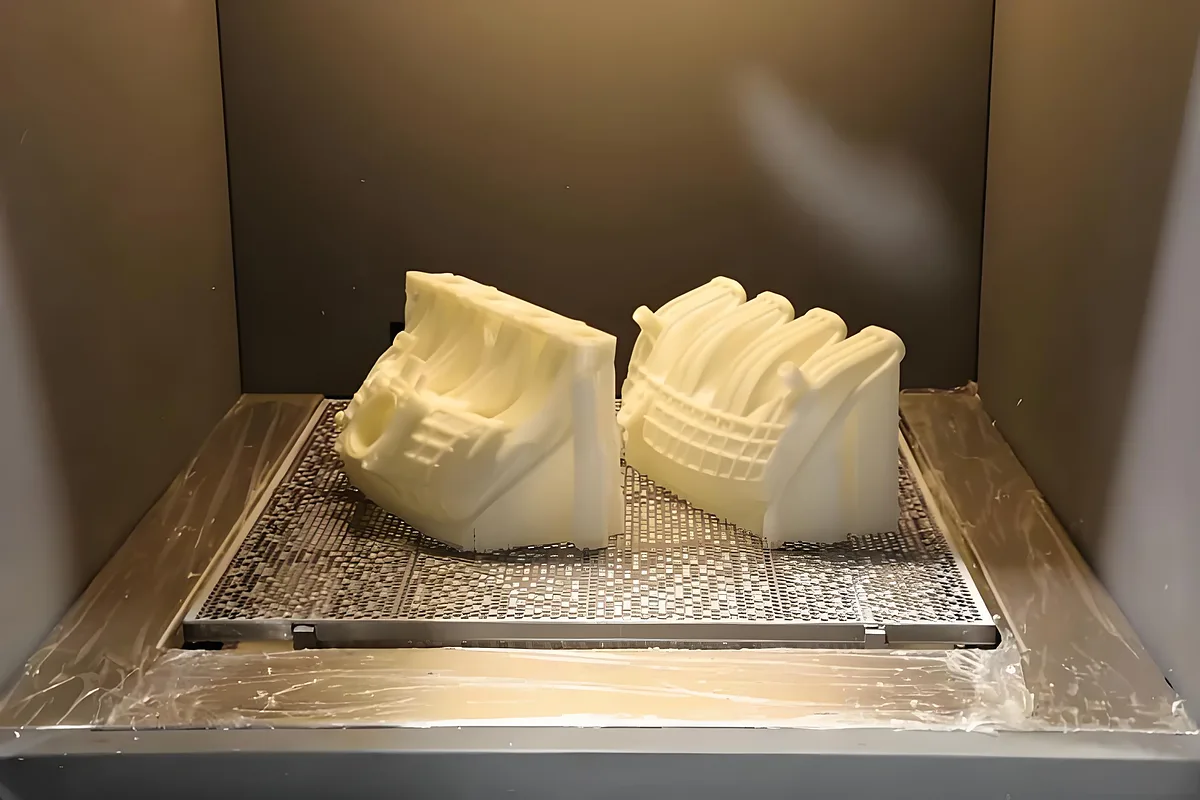
Discover the advantages of stereolithography for your next project.
Layer thickness from 25-100 microns for extremely fine details and sharp edges.
Near-injection-mold quality surface finish with minimal post-processing.
Dimensional accuracy of By drawing for precision fit and assembly.
Print intricate designs with thin walls and fine features not possible with other methods.
Choose resin families by visual target, functional load, transparency, heat exposure, and downstream process. Final resin grade is confirmed during engineer review, not assumed from a generic SLA label.
Common choice for appearance prototypes, concept models, and show-and-tell review parts.
Used when the buyer needs stronger handling, snap-fit review, or limited functional checks before moving to CNC or tooling.
Used for clear review models, castable masters, dental or fit-check applications, or process-specific samples when the resin route is agreed first.
Presentation models, design reviews, and client approvals with exceptional detail.
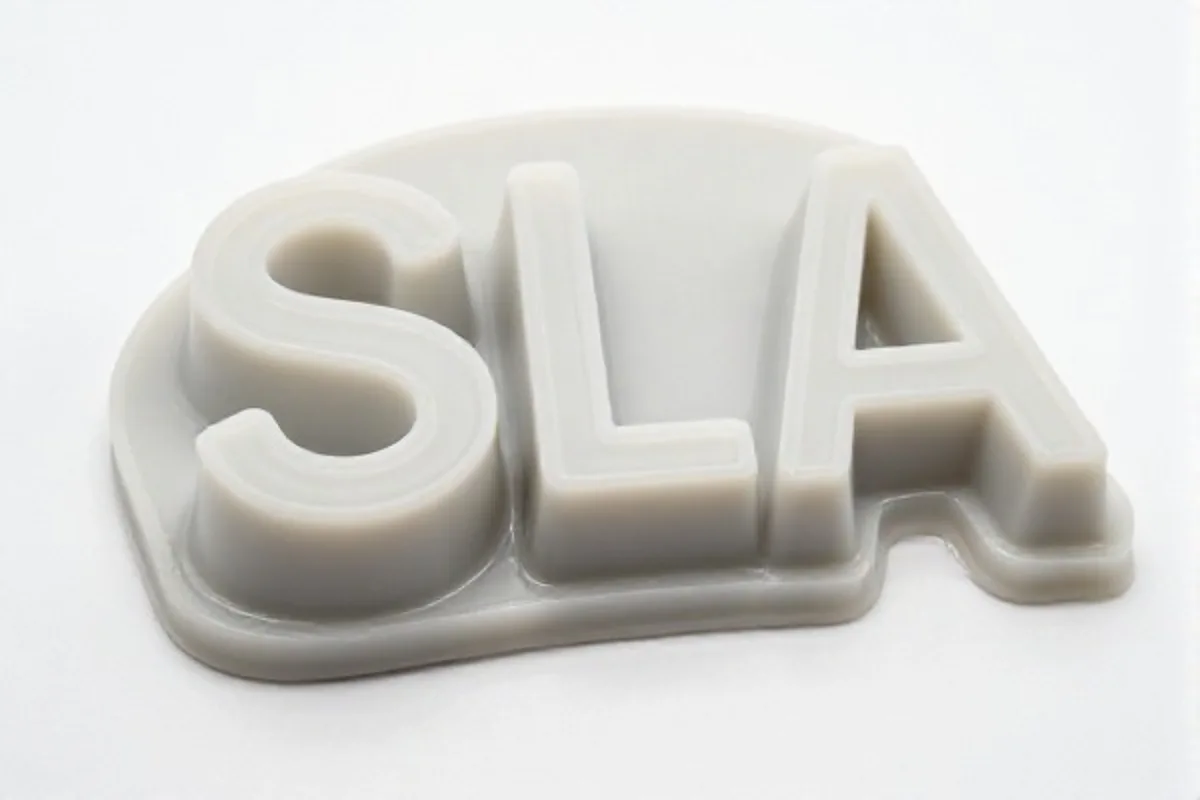
High-quality masters for urethane casting and silicone molding.
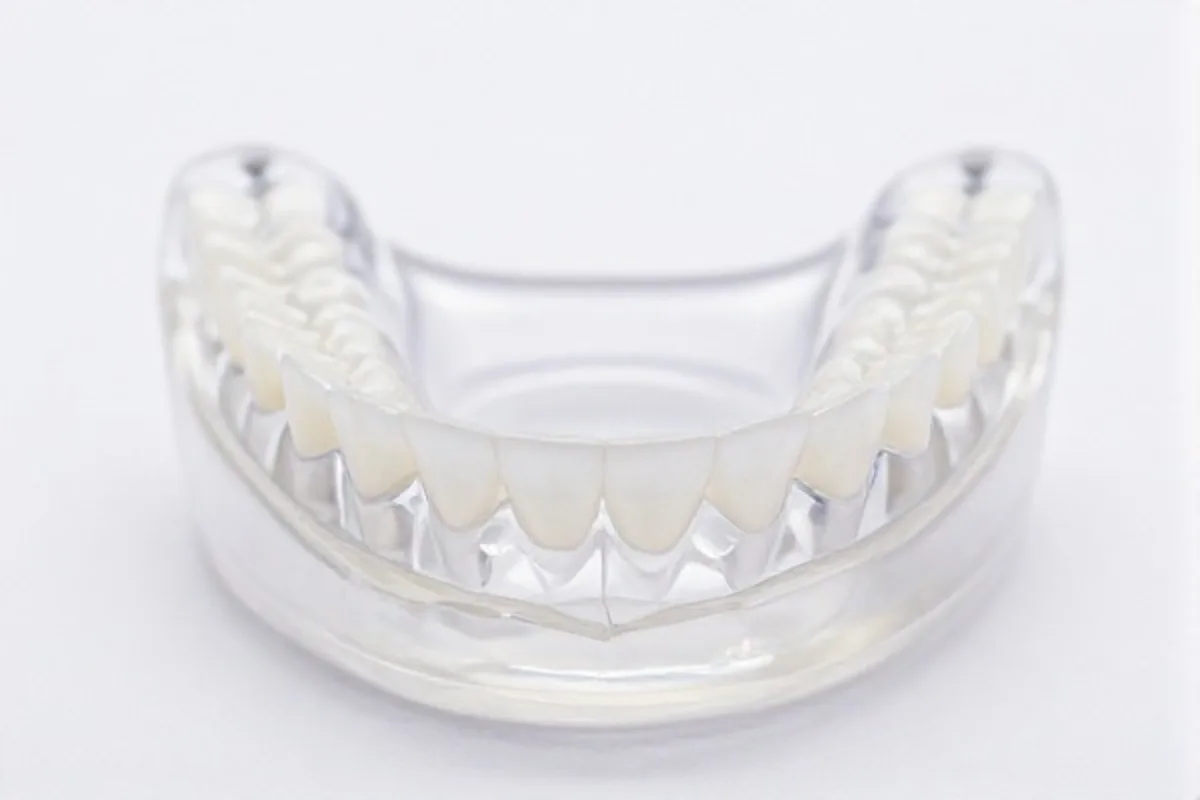
Dental models, development fixtures, and non-implant prototype parts with material suitability confirmed during RFQ.
Ingenierie quote scope
SLA buyers usually need more than a fast print. The RFQ should define resin family, wall-risk areas, tolerance-critical features, post-processing, inspection evidence, and export handoff so the quote matches the real validation plan.
Standard, clear, tough, flexible, castable, or specialty resin routes should match the actual test or appearance goal. Specific resin grade is confirmed during RFQ.
Thin walls, long unsupported spans, small holes, snap tabs, sealing edges, and cosmetic clear faces need CAD review before quote. Mark the critical areas on the drawing.
Do not assume one blanket SLA tolerance for every resin and part size. Call out datum features, hole positions, mating faces, and post-machined areas that need measurement evidence.
Support removal, sanding, primer, paint, clear coating, bonding, and master-pattern preparation affect appearance, seam risk, and schedule. Finish scope belongs in the RFQ, not after approval.
Visual check is common. Dimensional report, CMM, FAI, finish approval sheet, or packing proof should be requested only when they matter to the project gate.
Print time is only one step. Orientation review, washing, post-cure, support removal, finish, inspection, and export packing all influence the written schedule.
Project workflow evidence
When to ask for CMM, FAI, finish approval, packing proof, and sample reports.
Representative document menu with RFQ-only boundaries.
Useful for cosmetic resin parts, clear models, and color or texture approval.
Dimensional checks, clear-part review, and any report format are scoped during RFQ. SLA tolerance depends on part size, orientation, wall condition, post-cure, and finish, so critical dimensions should be marked on the drawing instead of assumed from a blanket shop number.
Process-fit review
Reports by RFQ
QC by RFQ
Post-finish by RFQ
Related routes
Ingenierie buyers often move between SLA, SLS, CNC machining, rapid tooling, and low-volume production inside the same program. Use these context links when the RFQ needs a material, tolerance, tooling, or bridge-volume comparison.
Smooth resin prototypes, clear models, and master patterns.
Nylon functional prototypes and geometry that benefits from powder-bed support.
Production-grade metals or plastics, machined datums, and tighter critical features.
Prototype molds, T1 samples, and molded material validation before production tooling.
Bridge quantities when the design is moving from prototype into repeatable batches.
SLA uses a laser to cure liquid resin, producing smoother surfaces and finer details than FDM (which extrudes melted plastic). SLA is better for visual prototypes and precision parts, while FDM is more economical for larger, functional parts.
Maximum build size depends on printer route, resin, orientation, and post-processing risk. Larger parts may be split and bonded when the seam position, cosmetics, and strength expectations are reviewed during RFQ.
Some SLA parts can be evaluated for short-term fluid or sealing checks, but long-term water exposure, fluid compatibility, and aging depend on resin selection, wall design, cure condition, and post-processing. State the actual use case during RFQ so engineering can confirm whether SLA is appropriate.
Absolutely! SLA parts accept paint, chrome plating, and other finishes exceptionally well due to their smooth surface. We offer various finishing options including prime, paint, and hydrographic printing.
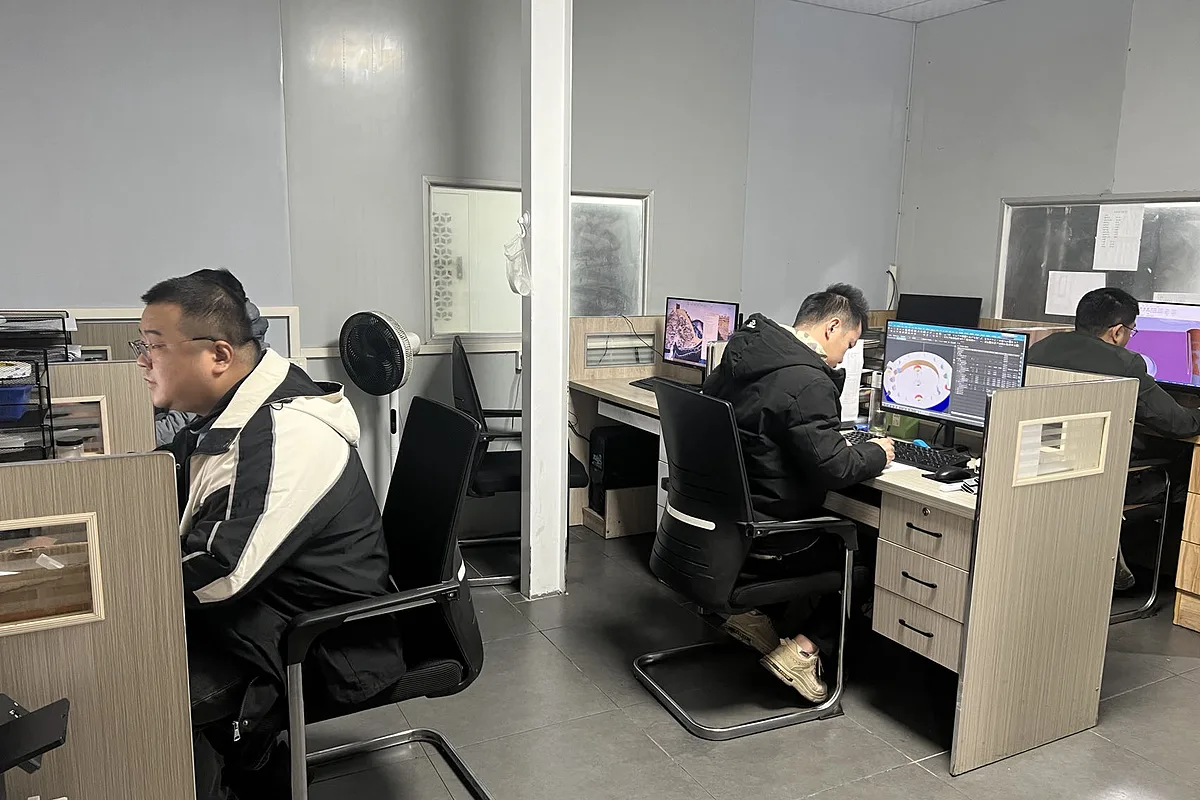
Upload your STL or STEP files for an instant, secure quote.
Envoyer le CAD pour revueBonjour, vous contactez l’équipe DFocus PROTOTYPE.
Besoin d aide pour l usinage CNC, l impression 3D ou la finition ? Envoyez les details du projet et nous orienterons votre demande.