
Low-Volume
Manufacturing
Bridge prototype validation and low-volume production with batch size, tooling route, inspection scope, and delivery assumptions confirmed during RFQ.
- Cost-effective bridge quantities
- Bridge route reviewed
- Reduced Financial Risk
Quantity, tooling, and timeline confirmed during RFQ.
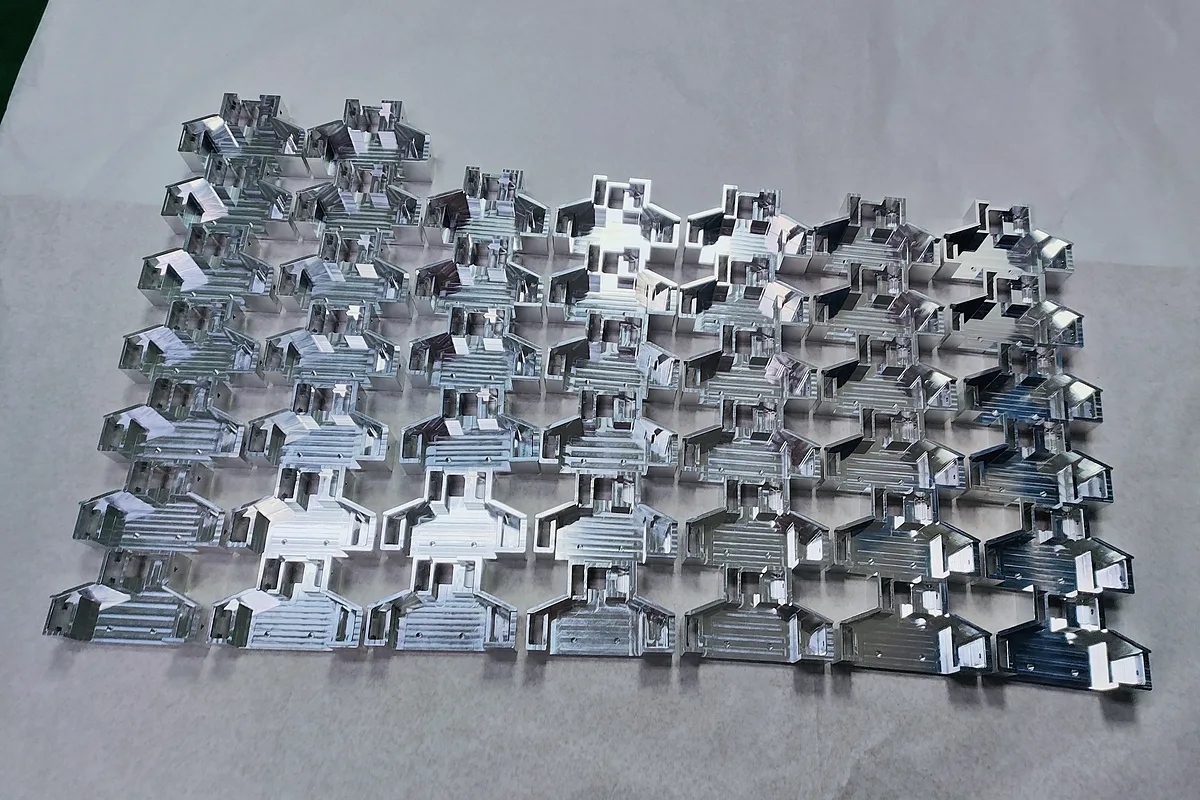
Optimized for Small Batches
We offer a suite of manufacturing technologies specifically adapted for low-volume production runs (100+ units depending on process, material, tooling, and inspection scope).
Rapid Moldeo por inyección
Using aluminum or soft steel molds to produce real thermoplastic parts quickly. Cost-effective for pilot and bridge quantities after tooling review.
Más informaciónLow-Volume CNC
From first-article prototypes to repeat batches when setup and inspection scope are suitable.
Más informaciónColada al vacío
Production-quality plastic and rubber parts using silicone molds. Useful for bridge quantities when finish, material behavior, and mold assumptions are confirmed during RFQ.
Más informaciónExtrusión de aluminio
Custom profiles for structural components. Setup routes are reviewed for specific project needs without assuming mass-production order sizes.
Más informaciónChapa metálica
Laser cutting and bending for durable end-use parts. Economical for both small batches and larger production runs.
Más informaciónWhy Choose Low-Volume Manufacturing?
Save Time and Money
Invest less in expensive hard tooling (like steel molds) and materials. By using softer steels or aluminum, you get production-quality parts at a fraction of the setup cost.
Faster Access to Market
Low-volume routes can shorten pilot timing, but schedule depends on tooling, material, inspection scope, and queue capacity confirmed during RFQ.
Adapt to Product Life Cycles
Quickly respond to market feedback. Pilot batches can support design iteration when change control, tooling impact, and inspection requirements are reviewed between runs.
Quantity fit for low-volume manufacturing
Low-Volume Manufacturing (LVM) bridges prototype validation and repeatable pilot batches.
Minimum batch reviewed by process route. Batch size, setup cost, tooling route, and inspection scope are confirmed during RFQ so pilot quantity matches the validation plan.
Related routes
Compare adjacent prototype-to-production routes
Ingenieria buyers often move between SLA, SLS, CNC machining, rapid tooling, and low-volume production inside the same program. Use these context links when the RFQ needs a material, tolerance, tooling, or bridge-volume comparison.
Smooth resin prototypes, clear models, and master patterns.
Nylon functional prototypes and geometry that benefits from powder-bed support.
Production-grade metals or plastics, machined datums, and tighter critical features.
Prototype molds, T1 samples, and molded material validation before production tooling.
Bridge quantities when the design is moving from prototype into repeatable batches.
Preguntas frecuentes
What quantity qualifies as low-volume?
Can I use production materials?
Yes. One of the main benefits of low-volume manufacturing is using real, end-use materials (thermoplastics, metals, etc.) that are identical to mass production specifications.
What if I need more parts later?
We can easily scale up. Many clients start with rapid tooling for the first few thousand units and then transition to production molds as demand increases.
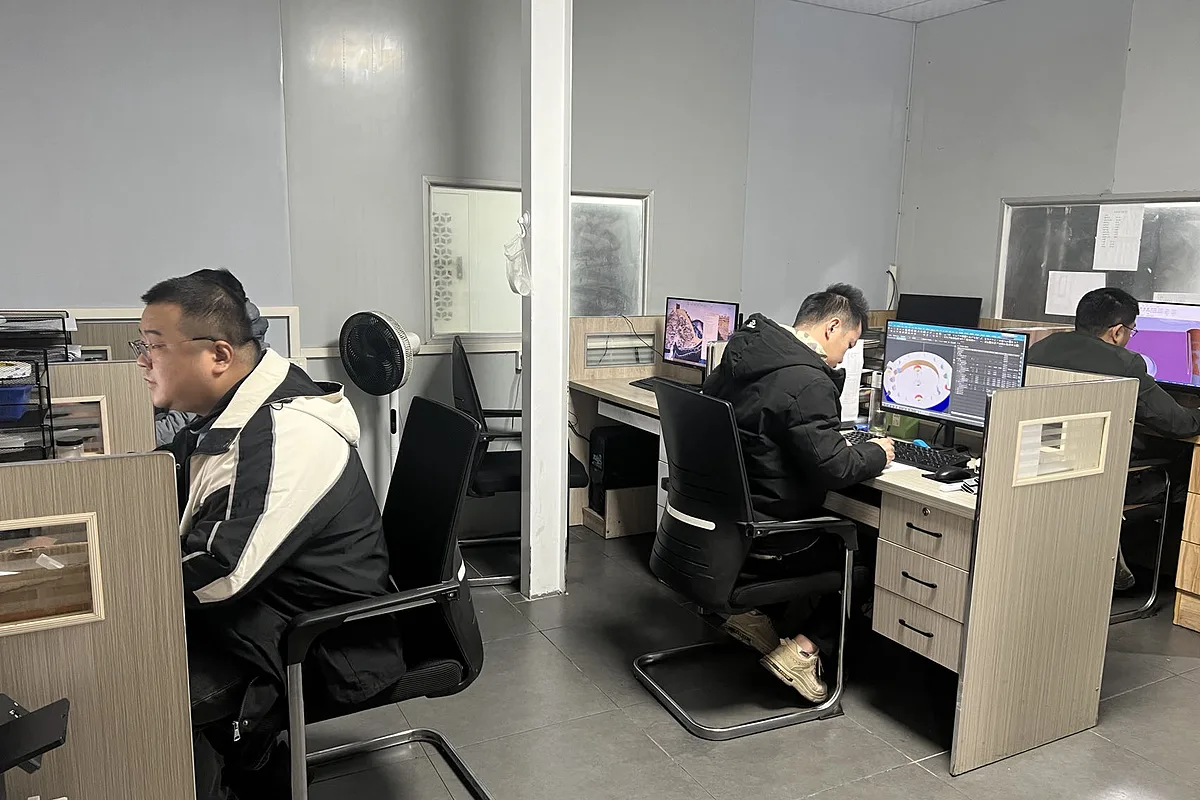
Listo for Production?
Review quantity, tooling route, inspection scope, and delivery assumptions before approving a low-volume run.
Get Manufacturing Cotización