
CNC-Fräsen Leistungen:
3-Axis to 5-Axis
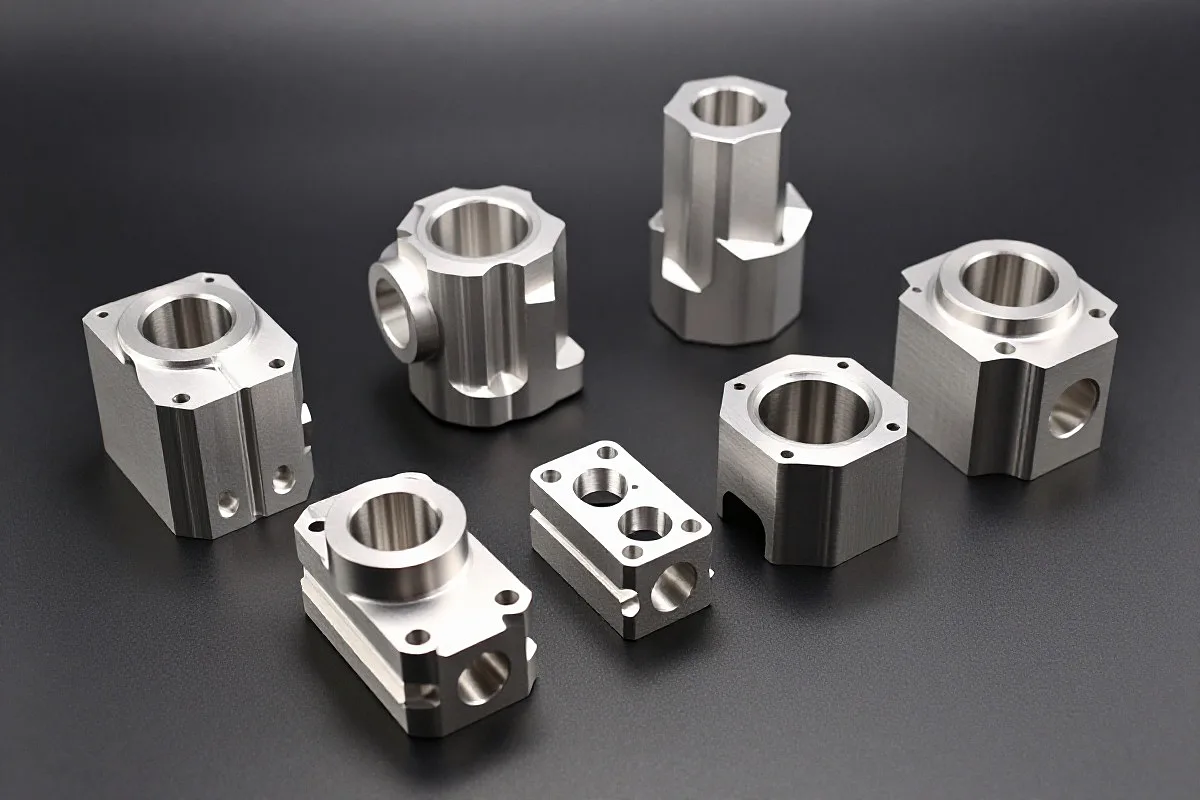
Engineer-reviewed 3-, 4-, and 5-axis CNC milling for functional prototypes and low-volume parts. Standard and critical tolerances are confirmed from CAD, 2D drawings, material, setup, finish, and inspection scope before production.
- 6061/7075 Aluminum, 304/316L Stainless, TC4 Titanium
- Oberflächenfinish Ra 0.4-3.2 μm, anodizing/powder coating available
- FAI reports, material certs, and CMM inspection by RFQ
NDA available. Files reviewed by engineers, not algorithms.
Inspection scope by RFQ
CMM, projector, height gauge, and surface checks can be planned for critical features when agreed during RFQ. Routine checks and documentation scope depend on the drawing and quote.
CMM
Critical dimensions
Projector
2D Measurement
Height Gauge
Feature checks
Roughness
Surface Tester
On-demand CNC-Fräsen Leistungen
CNC milling is a computer-controlled machining process that uses a rotating cutting tool to remove material from a stationary workpiece, allowing for the creation of complex shapes, holes, and surface features.
DFocus Rapid Prototype is an engineering-reviewed machining service provider, offering high-precision custom machining services for prototypes, low-volume production, and full-scale manufacturing. With our in-house CNC machine shop, we offer fast lead times and competitive pricing.
Ask for CNC milling process photos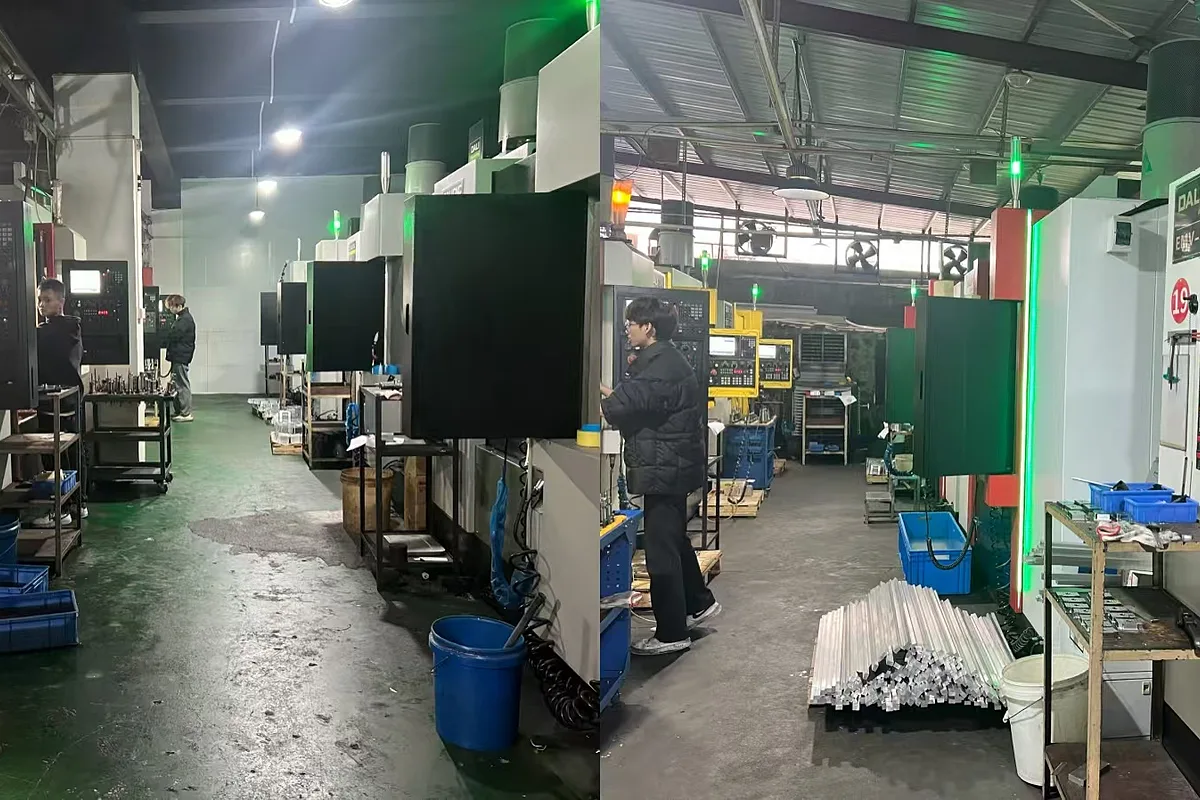
3-Axis, 4-Axis, and 5-Achs-Bearbeitung
From simple prototypes to highly complex components, our advanced milling capabilities ensure we can handle a wide range of geometries.
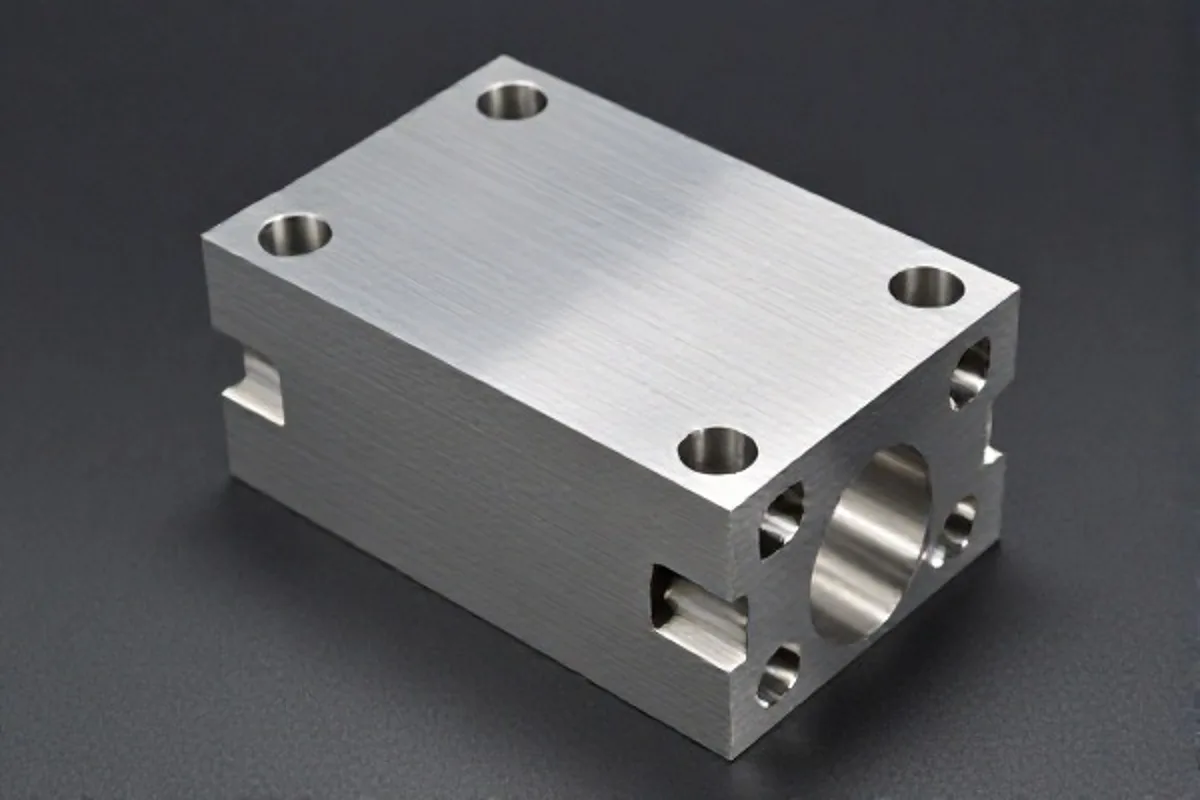
3-Axis CNC-Fräsen
Equipped with advanced 3-axis CNC machines, this is the most cost-effective way to get simple CNC prototypes and production parts.
Get Angebot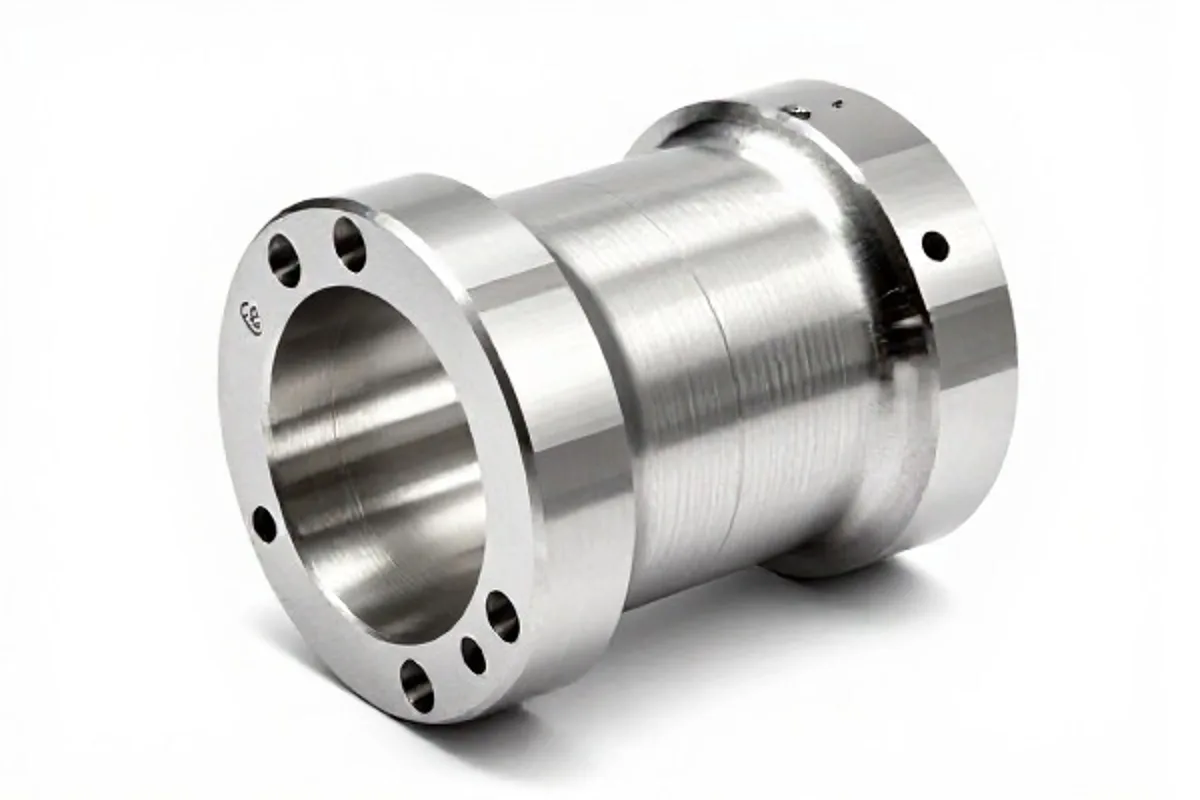
4-Axis CNC-Fräsen
Besides less set-up compared with 3-axis milling, 4-axis milling is an exclusive option for features on the side wall.
Get Angebot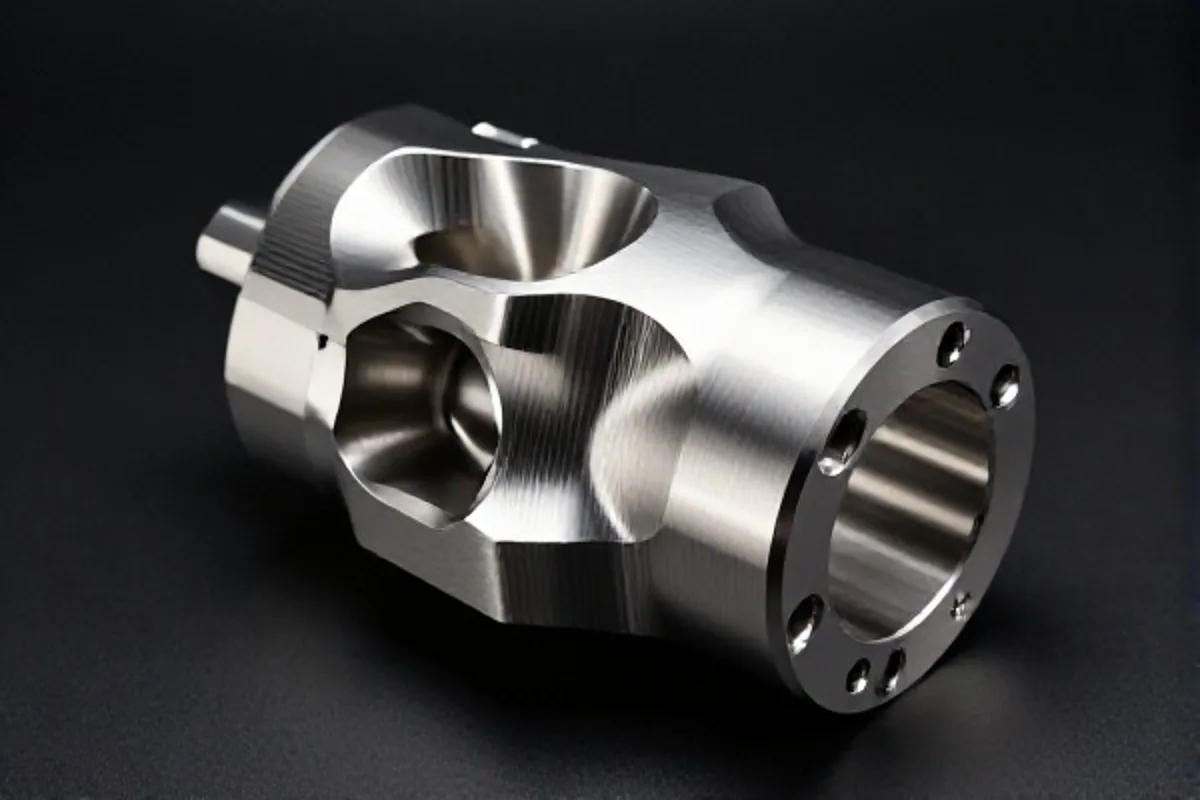
5-Axis CNC-Fräsen
Best for complex precision parts. The workpieces can be milled from multiple directions in a single setup.
Get AngebotFlexible CNC-Fräsen Lösungen
We adapt to your product development stage, from initial concept to market launch.
Schnelles Prototyping CNC-Fräsen
With custom milling, we can quickly produce high-precision CNC prototypes, functional prototype parts, and intricate machined components for various applications before full-scale production.
Mehr erfahren >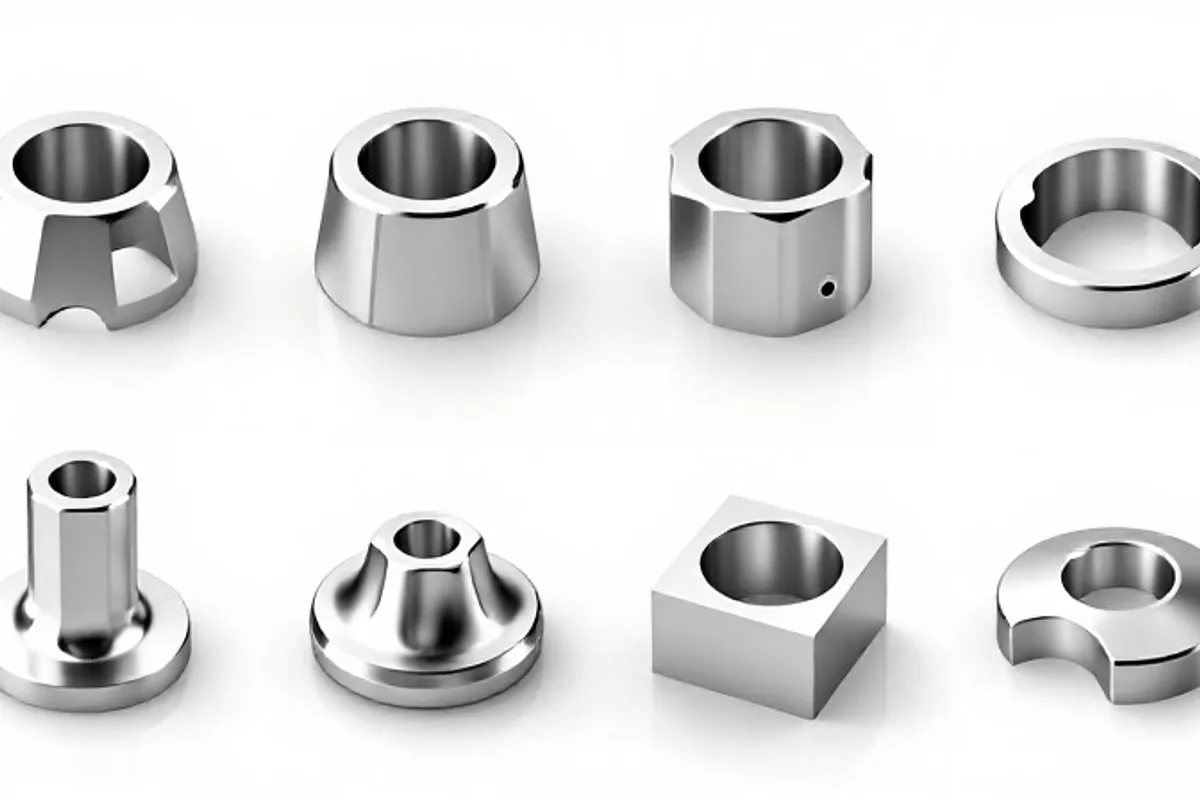
Low Volume CNC-Fräsen
Our low-volume milling services deliver precision parts quickly and cost-effectively. With flexible production and no tooling costs, we help you validate designs or fulfill small batches.
Mehr erfahren >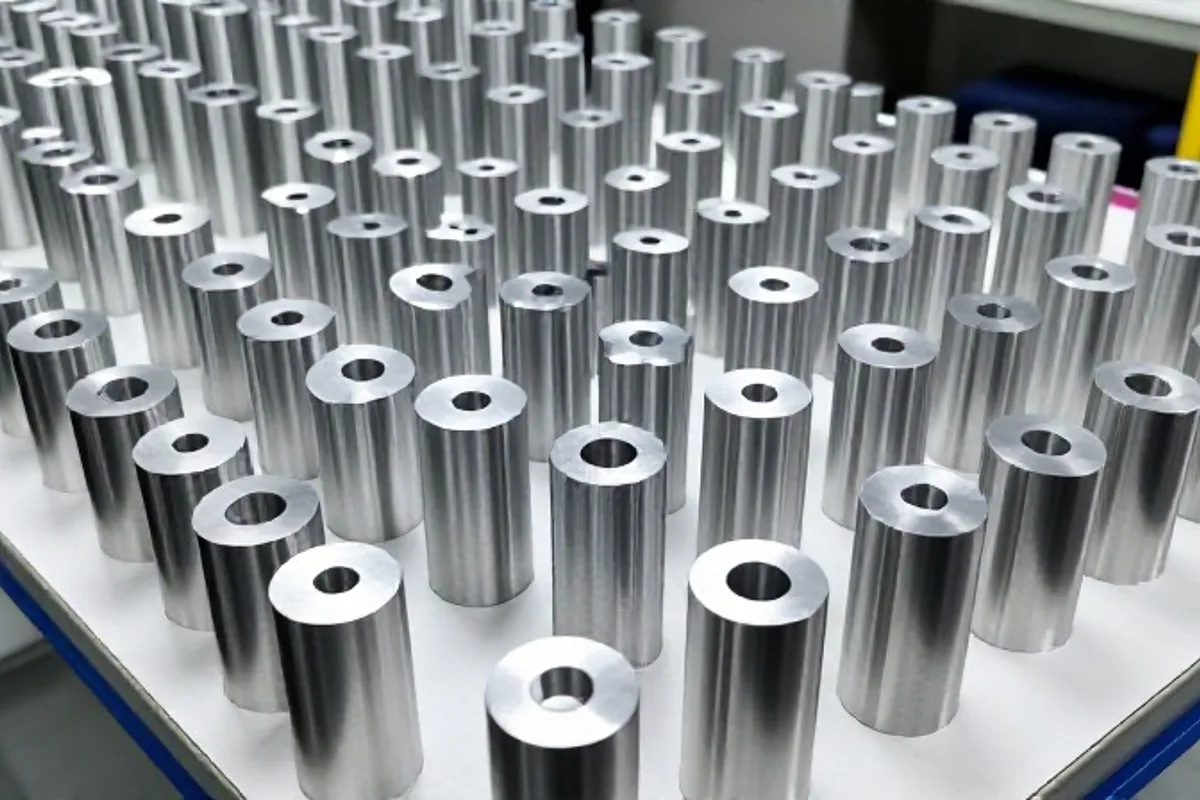
CNC-Fräsen Materialien
Metal Alloys
- Aluminum Alloy (6061, 7075)
- Steel (Mild Steel & Hardened)
- Stainless Steel (303, 304, 316)
- Brass (C360, C260)
- Copper (C110, C101)
- Titanium (Grade 2, 5)
Plastics
- POM / Delrin
- ABS
- Nylon (PA6, PA66)
- Polycarbonate (PC)
- PEEK
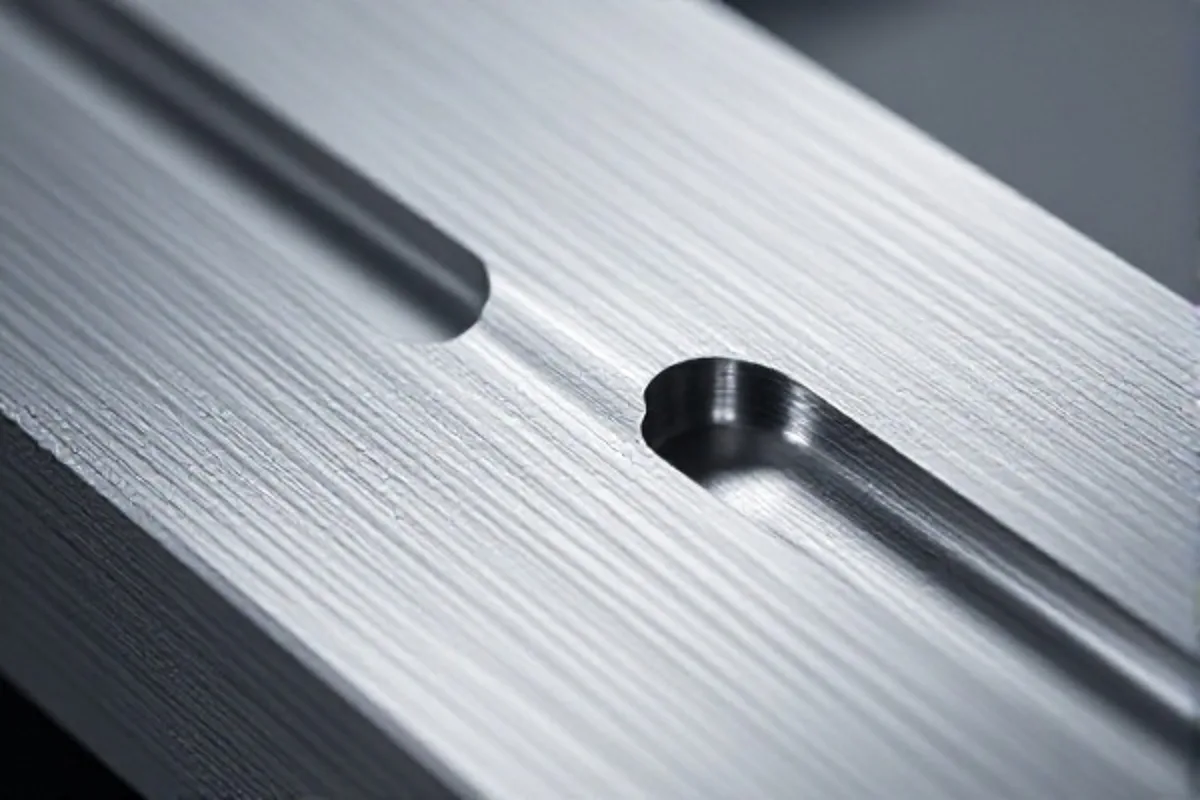
Aluminum Alloy (6061, 7075, 2024)
Lightweight, low density, corrosion-resistant, good mechanical properties, and ideal for milled parts in aerospace, electronics, and automotive industries.
CNC milling supports a wide range of additional metals, plastics, and composites. Visit our materials page for a full list.
CNC-Fräsen
Surface Finishes
At DFocus PROTOTYPE, we provide a full range of CNC milling surface finishes that enhance both functionality and appearance, improving durability, resistance to corrosion, and aesthetics.
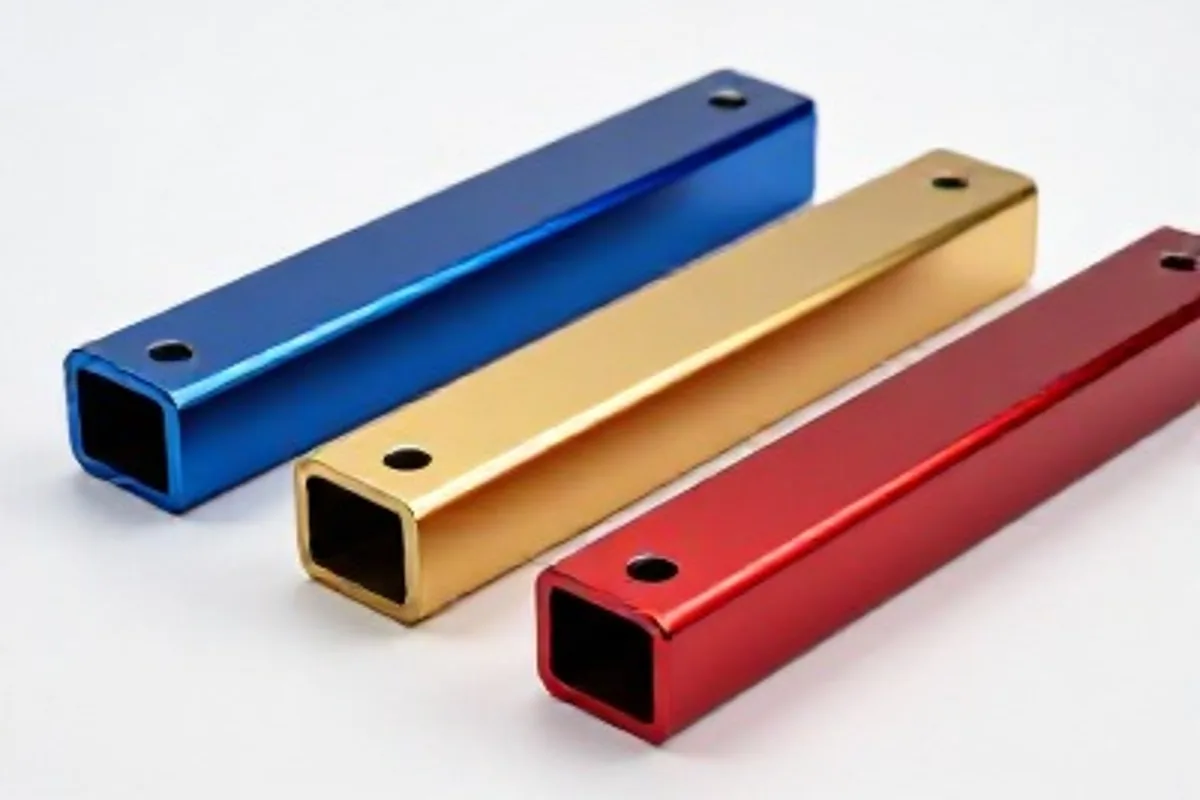
Anodizing
Type II & III for corrosion resistance.
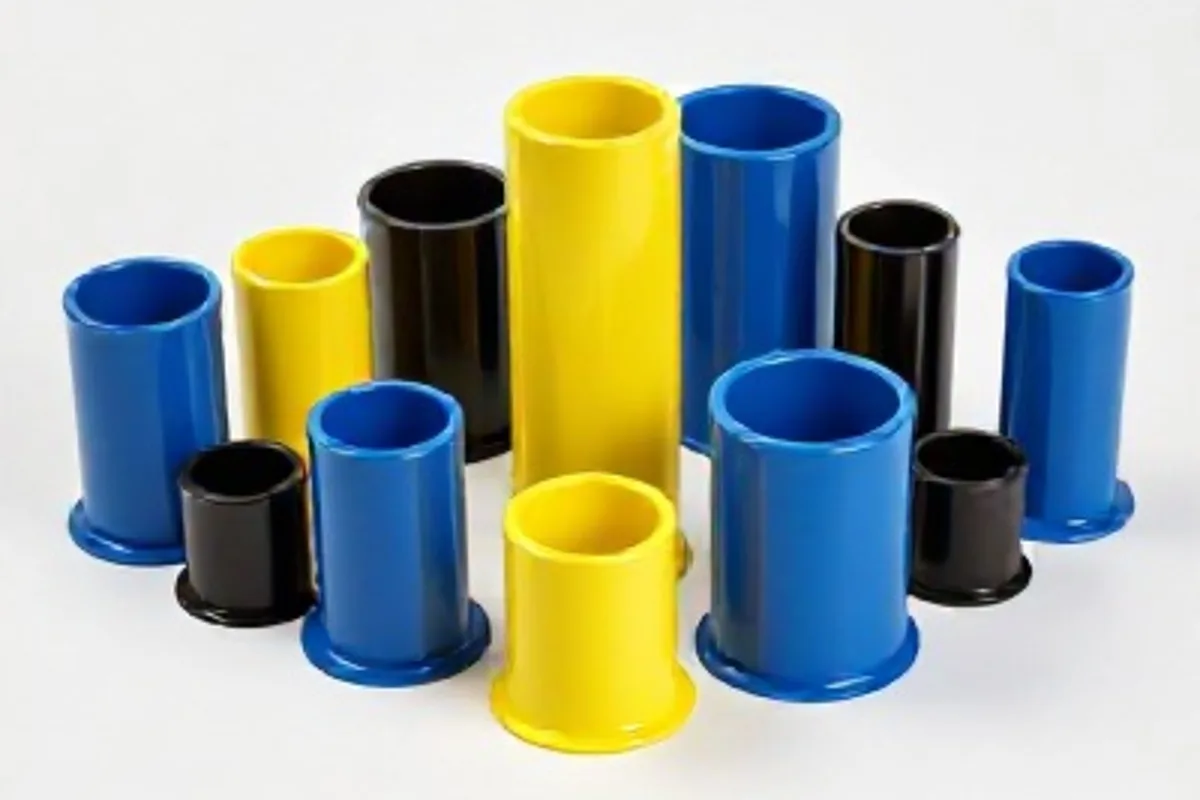
Powder Coating
Durable finish in any color.
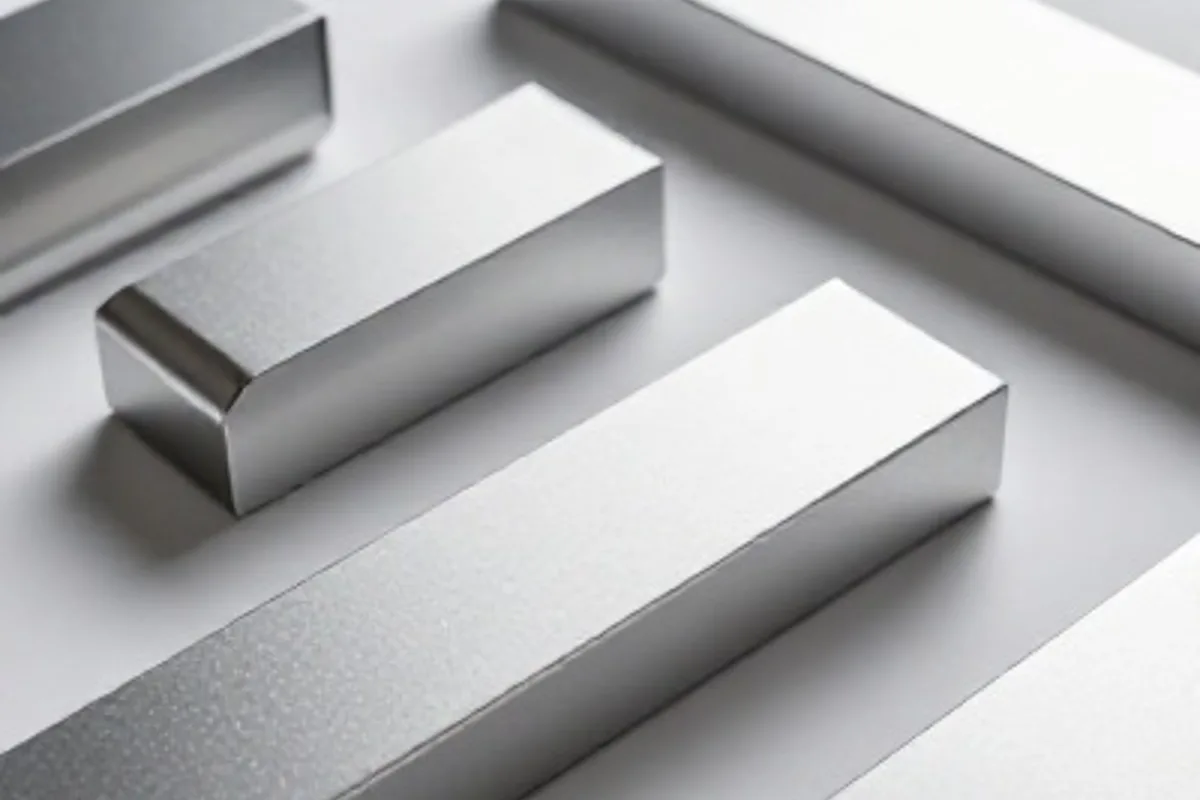
Bead Blasting
Uniform matte texture.
The as-machined finish is the standard surface finish directly from the CNC milling process. It provides a clean, functional surface with visible tool marks.
- Surface Roughness: Ra 3.2 μm (typical)
- No additional processing required
- Most cost-effective option
- Ideal for internal components and prototypes
Best for: Functional prototypes, internal parts, components where appearance is not critical.
Progressive sanding and polishing removes tool marks and creates smooth, reflective surfaces. Available in multiple grades from matte to mirror finish.
- Surface Roughness: Ra 0.8 - 0.1 μm
- Multiple finish levels: Matte, Semi-gloss, High-gloss, Mirror
- Enhances aesthetics and reduces friction
- Suitable for all metals and most plastics
Best for: Consumer products, display components, optical housings, medical devices.
Bead blasting creates a uniform matte texture by propelling fine glass beads at the surface. Removes tool marks while providing excellent grip.
- Surface Roughness: Ra 1.0 - 2.5 μm
- Uniform satin/matte appearance
- Hides minor surface imperfections
- Improves paint and coating adhesion
Best for: Enclosures, handheld devices, aerospace components, automotive parts.
Anodizing is an electrochemical process that creates a durable, corrosion-resistant oxide layer on aluminum parts. Available in Type II (decorative) and Type III (hardcoat).
- Type II: 8-25 μm coating, wide color range
- Type III (Hardcoat): 25-75 μm, extreme hardness
- Excellent corrosion and wear resistance
- Colors: Clear, Black, Red, Blue, Gold, and more
Best for: Consumer electronics, aerospace, automotive, medical devices, sporting goods.
Powder coating applies a durable, decorative finish using electrostatically charged powder particles that are heat-cured to form a hard coating.
- Coating Thickness: 50-100 μm
- Excellent impact and scratch resistance
- Wide range of colors and textures
- Environmentally friendly (no solvents)
Best for: Outdoor equipment, industrial machinery, furniture, automotive parts.
Passivation is a chemical treatment for stainless steel that removes free iron from the surface and enhances the natural chromium oxide layer.
- Compliant with ASTM A967, AMS 2700
- Enhanced corrosion resistance
- No dimensional change
- Clear, non-visible finish
Best for: Medizintechnik devices, food processing equipment, marine components, aerospace.
Tolerances for CNC-Fräsen
Standard tolerances and precision features are confirmed after review. Tolerances, documentation, and lead times depend on geometry, material, feature accessibility, surface finish, inspection scope, and queue capacity.
| 3-Axis | 4-Axis | 5-Axis | |
|---|---|---|---|
| Maximum Part Size | 1000 x 500 x 500 mm | 1000 x 500 x 500 mm | Engineer review required |
| Minimum Part Size | 5 x 5 x 5 mm | 5 x 5 x 5 mm | 5 x 5 x 5 mm |
| General Tolerances | ±0.1 mm | ±0.05 mm | Feature-specific after review |
| Lead Time | Lead time is confirmed after engineer review; common CNC prototypes often ship in 3-7 business days when material, geometry, finish, and inspection scope are straightforward. | Lead time is confirmed after engineer review; common CNC prototypes often ship in 3-7 business days when material, geometry, finish, and inspection scope are straightforward. | Lead time is confirmed after engineer review; common CNC prototypes often ship in 3-7 business days when material, geometry, finish, and inspection scope are straightforward. |
Design Guidelines
Good CNC milling design improves machinability, lowers costs, and ensures quality.
Part size
Machined parts are limited in size by the machine envelope. 3-axis machines typically have a larger build size than multi-axis machines.
Feature alignment
For 3-axis machining, it costs more to add features to multiple faces. Try to design parts with all features aligned on a single face.
Fillets
Internal fillets should be as large as possible. The radius of the internal fillet should be greater than 1/3 the cavity depth.
Wall thickness
Metal parts typically require a minimum wall thickness of 0.8 mm, while plastic parts require 1.5 mm. Thinner walls may warp.
Cavity depth
To minimize chatter and tool deflection, machined cavities should be no more than 4x the width in depth.
Design Tips for CNC Milled Parts
Get the full comprehensive guide.
RFQ evidence notes
Inspection evidence before shipment
Instead of relying on generic review claims, ask for proof tied to the RFQ: material certificates, dimensional reports, finish photos, packing photos, and approval notes when these records are agreed before production.
Before machining
Confirm material grade, critical dimensions, finish expectations, drawing revision, and inspection scope before cutting starts.
During inspection
Request dimensional records, CMM or FAI checks, process photos, or finish sample photos only when the project needs that evidence.
Before export
Use packing photos, label checks, and shipment handoff notes to verify what leaves the factory before international dispatch.
FAQ
What Is CNC-Fräsen And How Does It Work?
CNC milling is a subtractive manufacturing process that uses rotary cutters to remove material from a workpiece. It works by feeding the workpiece against the rotating cutter to create the desired shape.
Why Choose DFocus PROTOTYPE As Your CNC-Fräsen Supplier?
We offer engineering-reviewed RFQs with China manufacturing efficiency, ensuring you get high-quality parts at competitive prices with excellent communication.
Can You Offer CNC-Fräsen DFM (Design for Manufacturability)?
For complete RFQs, engineers review manufacturability risks and can suggest cost or quality improvements before quote approval.
When Can My CNC-Bearbeitung Orders Be Bereit?
Common prototype parts often ship in 3-7 business days after DFM review; complex geometry, tight-tolerance features, finishing, or inspection documentation can take longer.
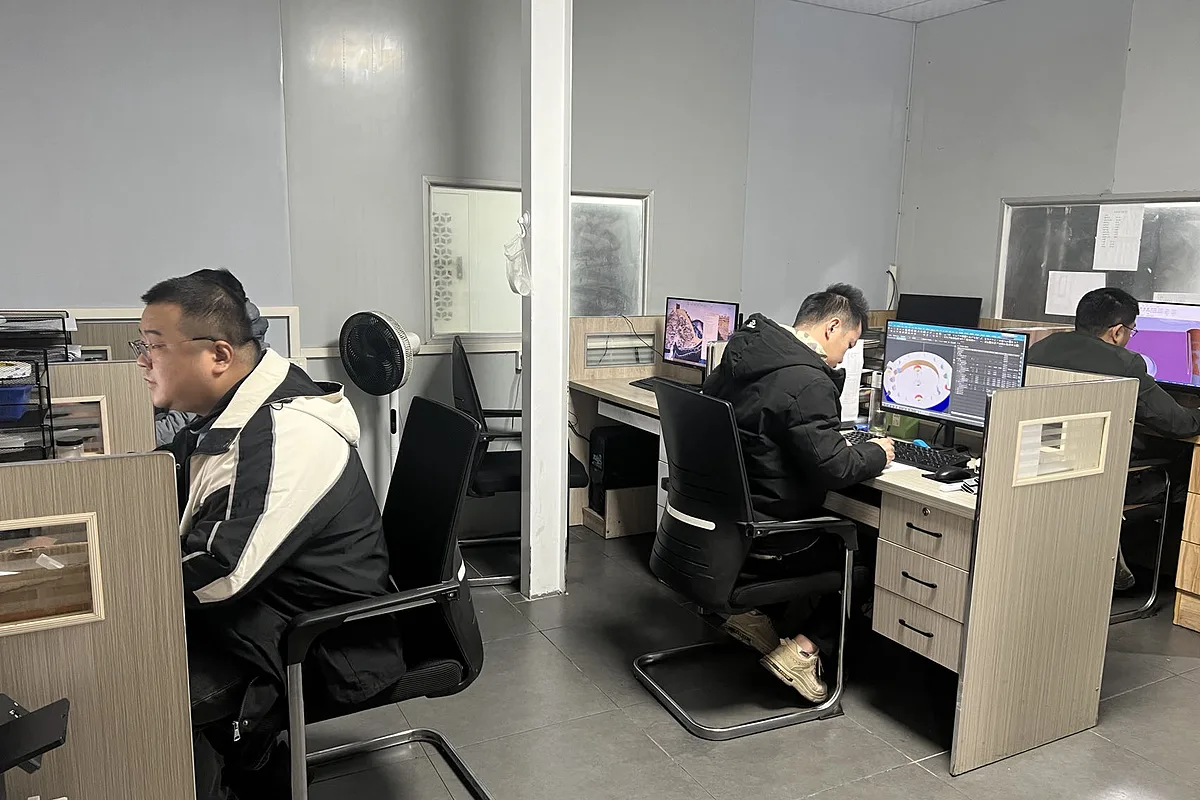
Put your parts into production today
CAD access is limited to quote and engineering review; NDA-first sharing is available.
CAD zur Prüfung hochladen